
NEWS
BREAKING NEWS: Trump Administration Removes Three Executives Linked to Controversial Spyware Consortium Intellexa From U.S. Sanctions List, Sparking Concerns Among Cybersecurity Experts and Human Rights Advocates About Privacy Risks, Surveillance Misuse, and Potential Weakening of International Efforts to Control Invasive Digital Spy Tools, While Founder Tal Dilian Remains Sanctioned see more

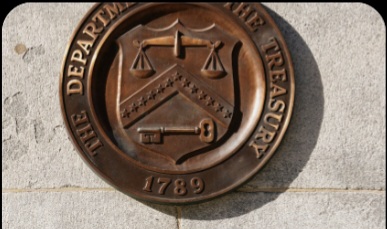
Washington, D.C. — In a move that has drawn attention from cybersecurity experts, human rights advocates, and international observers, the Trump administration has quietly removed three executives linked to the controversial spyware consortium Intellexa from the U.S. sanctions list. Announced on December 30, 2025, the decision marks a partial rollback of previous sanctions imposed under the Biden administration, which targeted individuals and companies associated with invasive surveillance technologies.
The three executives removed from the sanctions list are Sara Hamou, Andrea Gambazzi, and Merom Harpaz. These individuals were previously sanctioned for their alleged roles within Intellexa, a network of companies that developed and distributed Predator spyware, a highly sophisticated tool capable of infiltrating mobile devices and monitoring users without consent. Intellexa, founded by former Israeli intelligence officer Tal Dilian, has been at the center of international controversy due to documented misuse of its software against journalists, political dissidents, and lawmakers in multiple countries.
Why Sanctions Were Initially Imposed
The U.S. sanctions imposed under the Biden administration were intended to curb the spread of commercial spyware that threatens democratic institutions, privacy rights, and freedom of the press. Officials accused Intellexa executives of facilitating spyware distribution to foreign governments and private actors that used Predator to surveil journalists in Greece, attempt intrusion on U.S. lawmakers, and target political opponents abroad. The Treasury Department described Intellexa as a “complex international network of companies” producing spyware with highly invasive capabilities, including remote access to personal devices, cameras, and microphones.
The sanctions prohibited these individuals from conducting business with U.S. entities, froze their assets within U.S. jurisdiction, and restricted international financial transactions, signaling Washington’s commitment to curbing spyware proliferation.
The Decision to Remove Sanctions
According to a notice issued by the U.S. Treasury Department, the removal of Sara Hamou, Andrea Gambazzi, and Merom Harpaz followed petitions for reconsideration. The department stated that each executive demonstrated they had separated themselves from Intellexa’s operations and met the criteria for delisting. The Treasury notice did not elaborate on the evidence reviewed or provide further justification beyond the administrative explanation.
Tal Dilian, the founder of Intellexa, remains on the sanctions list. This distinction has raised questions among experts about the rationale for delisting some executives while maintaining sanctions against the central figure in the organization. Analysts say the lack of transparency regarding the decision fuels concerns about whether U.S. sanctions policy is being applied consistently.
Reactions from Experts and Advocates
The decision has sparked debate across cybersecurity and human rights communities. Many experts expressed concern that lifting sanctions on individuals previously associated with Predator spyware could weaken international efforts to regulate invasive surveillance technologies.
Predator has been widely criticized for enabling governments and private actors to monitor political opponents, journalists, and activists without oversight or consent.
A cybersecurity researcher described the move as “puzzling,” noting that even if the executives claim to have distanced themselves from Intellexa, their past involvement with such invasive tools represents a reputational risk and could embolden other actors in the spyware market. Bob Ward, a climate and technology policy analyst at the London School of Economics, remarked, “Delisting these executives without clear evidence of compliance changes the perception of accountability. It risks sending a message that spyware-linked actors can return to business-as-usual.”
Human rights advocates echoed these concerns, warning that Predator’s deployment has already demonstrated real-world consequences for freedom of expression and personal security. The spyware’s ability to infiltrate devices covertly means that any relaxation of sanctions must be scrutinized carefully to avoid inadvertent empowerment of abusive actors.
Implications for U.S. Sanctions Policy
While the removal affects only three individuals and does not alter broader sanctions against Intellexa, it raises broader questions about how the U.S. evaluates compliance, monitors risky actors, and balances administrative review with security concerns. Sanctions policy has long been a key tool for the U.S. to influence international behavior, particularly regarding sensitive technologies that pose privacy and human rights risks.
Observers also note that this decision may influence how future petitions for delisting are handled, particularly for companies involved in digital surveillance. Transparency and consistent enforcement are critical to maintaining credibility in global sanctions regimes, especially as spyware proliferation becomes a growing international concern.
What Comes Next
The Trump administration’s move highlights the complex challenges regulators face in dealing with emerging surveillance technologies. Policymakers must balance administrative fairness with the need to protect citizens, journalists, and lawmakers from potentially harmful spyware tools.
Legal analysts expect that advocacy groups and cybersecurity organizations may continue to pressure the U.S. Treasury for additional clarification, potentially prompting Congressional oversight hearings or further regulatory review. In addition, international partners monitoring spyware proliferation may interpret the delisting as a signal about the United States’ evolving approach to commercial surveillance technology and sanctions enforcement.
For now, three executives once deemed associated with serious spyware misuse are free from U.S. sanctions, while the founder of Intellexa and the broader network remain restricted. The decision underscores ongoing debates about privacy, cybersecurity, national security, and the regulation of high-risk digital tools, highlighting the complex intersection of technology and international policy in the 21st century.
As digital surveillance becomes more sophisticated and accessible, the Intellexa case serves as a stark reminder of the dangers posed by commercial spyware and the continuing struggle of governments to regulate its use without stifling innovation or overreaching administratively.
The move also reflects how sanctions policy, traditionally a blunt instrument, is being tested by new technologies that operate across borders, raising questions about the effectiveness and consistency of global efforts to protect privacy and human rights in an increasingly digital world.

BREAKING NEWS: Trump Administration Removes Three Executives Linked to Controversial Spyware Consortium Intellexa From U.S. Sanctions List, Sparking Concerns Among Cybersecurity Experts and Human Rights Advocates About Privacy Risks, Surveillance Misuse, and Potential Weakening of International Efforts to Control Invasive Digital Spy Tools, While Founder Tal Dilian Remains Sanctioned see more

BREAKING NEWS:Ofcom Faces Pressure to Investigate GB News Over Donald Trump Interview After Tens of Thousands of Complaints Claiming Misleading Statements, Lack of Challenge, and Potential Breach of UK Broadcasting Code, Raising Questions About Media Impartiality, Accuracy, Regulation of Political Content, and Standards for High-Profile Foreign Political Figures on UK Television.see more
BREAKING NEWS:Donald Trump Sparks Controversy With Unhinged Late-Night ‘Happy New Year’ Social Media Post Claiming Over 50% Voter Approval, Boasting About Border Security, Military Strength and Economy, Ignoring Independent Polling Data, Blending Festive Greetings With Partisan Rhetoric, Provoking Media Outcry, Criticism From Opponents, And Renewed Debate Over Presidential Conduct, Timing, And Influence Ahead of 2026 Political Season. see more

JUST IN : Jake Tapper Condemns Trump After President Attacks Kennedy Family Hours After JFK’s Granddaughter’s Death, Sparking Outrage Over Timing, Tone and Decency, and Fueling Fresh Debate About Political Conduct, Respect for Grief, and the Escalating Culture War Surrounding the Kennedy Center Renaming Controversy amid intense media scrutiny, partisan backlash nationwide today. See more

JUST IN : Kennedy Center Renaming Sparks Political and Cultural Backlash as Board Vote to Add Trump’s Name Prompts Legal Questions, Artist Withdrawals, and Wider Debate Over Governance, Presidential Influence, and the Role of National Cultural Institutions in an Increasingly Polarised United States. see more

BREAKING NEWS:Letitia James’ Windfall Excludes Indirect Support from Far-Left Groups Backed by George Soros, Raising Questions About Influence Networks, Political Funding, and the Extent of Financial and Strategic Support She Receives, as Critics and Observers Examine How Billionaire-Funded Organizations May Be Shaping Legal and Political Outcomes, Potentially Impacting High-Profile Cases and Public Perception Across the Nation.

LETTING IT RIP: Nancy Pelosi Calls Tearing Up Trump’s 2020 State of the Union Spontaneous Former House Speaker Nancy Pelosi said her iconic act of ripping President Trump’s 2020 State of the Union address was unplanned. “I had no intention of doing that. I thought my staff was going to die,” she admitted, reflecting on the viral moment that became a defining symbol of her resistance to Trump and a highlight of her political legacy.

JUST IN : Supreme Court Poised to Significantly Weaken Voting Rights Act, Sparking Nationwide Debate Over Minority Protections, Election Integrity, and State Authority as Justices Question Long-Standing Standards in Landmark Case—Voting Rights Advocates Warn of Potential Rollback That Could Undermine Decades of Progress, While Supporters Argue It Restores Balance Between Federal Oversight and State Control, Raising Critical Questions About the Future of Democracy and Voter Access Across the United States.

JUST IN: Court Strikes Down Mike Johnson’s Move, MAGA Erupts A federal judge delivered a crushing blow to Speaker Mike Johnson, overturning his decision to block a duly elected member and calling it “constitutionally indefensible.” Nearly 800,000 Americans were left without representation overnight, the court ruled. The decision sparked chaos inside MAGA ranks, with critics blaming Johnson and questioning his leadership.

BREAKING NEWS: JUST IN France Signals Possible Legal Action Against Elon Musk Over Alleged Foreign Election Interference, Warning It Could Freeze Assets and Pursue Jail Time Under Strict National Laws. The move raises fresh questions about tech power, sovereignty, and online influence as authorities tighten scrutiny on global platforms. Officials say investigations are ongoing. Follow the story, stay informed, and see how this decision could reshape digital politics worldwide.see more

BREAKING NEWS:Court Blocks Former President Trump’s Plan to Deploy National Guard Troops in Chicago, Sparking Fiery Dissent from Justice Samuel Alito Who Calls Decision ‘Unwise’ and Warns It Undermines Presidential Authority While Upholding State Sovereignty; Alito Joined by Clarence Thomas and Partially by Neil Gorsuch Argues Ruling Limits Federal Government’s Ability to Protect Personnel Amid Protests and Civil Unrest, Highlighting Deep Divisions Within the Court Over Executive Power, Legal Boundaries, and Domestic Military Deployment, While Critics Say It May Hinder Emergency Responses and Supporters Claim It Reinforces Checks on Executive Overreach and Protects Civil Liberties Across the United States
