
NFL
BREAKING NEWS: Iran Protests & Internet Blackout Iran’s authorities imposed a nationwide internet shutdown as anti-government protests spread across all provinces amid deepening economic hardship and rising living costs. Supreme Leader Ayatollah Ali Khamenei accused demonstrators of acting for foreign interests, including the U.S., and warned of a crackdown. Rights groups report dozens killed and thousands detained.

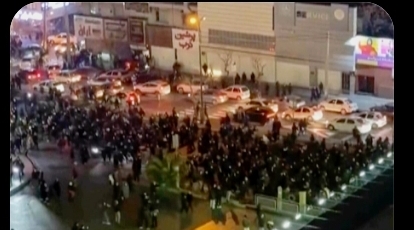
Tehran, Iran — Iran has been plunged into a chilling digital silence as mass protests against economic collapse and political repression sweep the country’s 31 provinces, leading to a near-total internet blackout and a violent government crackdown that has left scores dead and thousands detained. This tense standoff — now entering its second week — marks one of the most significant challenges to the Islamic Republic’s grip on power in years.
Roots of the Unrest
The unrest began on December 28, 2025, in the capital Tehran and quickly spread from bazaars and working-class neighbourhoods to major cities such as Mashhad, Isfahan, Tabriz and Kerman. What started as protests over soaring prices, rampant inflation and the collapsing Iranian rial has morphed into a broader challenge to the country’s political leadership. Iranians from a wide range of social backgrounds have taken to the streets, venting long-standing grievances over economic mismanagement, corruption, and a lack of political freedoms.
According to the Human Rights Activists News Agency (HRANA), over 2,200 people have been detained since demonstrations began, and at least 42 people are confirmed dead — figures that rights groups say may be conservative due to restricted reporting within the country.
Government Responds with Digital Blackout
On January 8, 2026, as crowds swelled in cities across Iran, authorities enacted a nationwide internet and phone blackout — a drastic measure aimed at severing communication among protesters and hampering the flow of information to the outside world. Internet monitoring groups such as NetBlocks and Cloudflare Radar reported a sharp decline of nearly all digital traffic, especially on mobile networks, indicating a coordinated shutdown likely ordered by
“This appears to be a near-total digital blackout,” said one analyst tracking internet disruptions, adding that fixed-line connections — used largely by businesses — have been less affected while mobile networks, crucial for protest coordination, were effectively disabled.
IranWire
Iran has used similar tactics in past waves of unrest, including severe outages during the 2019 protests and restrictions during the 2022 Mahsa Amini protests, when authorities cut connectivity to prevent images and videos of violence from spreading.
Wikipedia +1
The blackout has had profound consequences for ordinary Iranians: businesses that rely on digital payment systems, communication platforms, and supply chains have been severely disrupted, while families are cut off from news about loved ones. Experts warn that each hour of shutdown carries large economic and social costs.
IranWire
Escalating Violence and International Reactions
As connectivity disappeared, the protest movement surged on the ground, with marchers chanting slogans such as “Death to the dictator” and “Freedom, freedom,” according to verified eyewitness reports from Tehran and other cities.
Sky News
Simultaneously, security forces have responded with increasing force. Rights organisations, including Iran Human Rights and foreign observers, report that dozens of demonstrators — including minors — have been killed during clashes with security personnel who have used live ammunition, tear gas, and mass arrests to disperse crowds.
mint
In one alleged incident reported by sources outside Iran, a machine gun mounted on a vehicle was used against civilians in the city of Fardis on January 8, killing at least 50 people in a single episode. While these claims remain difficult to independently verify due to the blackout, they reflect the stark volatility of the situation.
Wikipedia
The Iranian government has framed the protests as the work of “saboteurs” and “vandals” influenced by foreign powers. Supreme Leader Ayatollah Ali Khamenei has accused demonstrators of acting to “please the United States,” directly challenging foreign criticism and justifying a harsher security response.
AP News +1
International reactions have been swift. U.S. political leaders have warned Iran against further violence, while European officials have condemned excessive use of force. Human rights organisations have called for the restoration of communication access and protection of peaceful protestors.
The Guardian
Exiled Leaders and the Future of the Movement
As the unrest grows, exiled figures such as Reza Pahlavi, the former crown prince of Iran, have urged coordinated civil disobedience and emphasised the need for protestors to remain disciplined. Pahlavi also encouraged members of Iran’s security forces to refrain from violence and “return to the embrace of the nation.”
The Jerusalem Post
However, analysts caution that Pahlavi’s influence inside Iran remains limited. Observers note that while his calls for protests may galvanise some segments of the diaspora and opposition, Iran’s complex social fabric and memories of past authoritarian rule complicate any simple narrative of regime change.
TIME
A Movement in the Dark
With the internet blackout cut, families separated, and news blacked out from global audiences, Iran’s protest movement has entered a perilous new phase. The government’s deployment of digital censorship measures — combined with physical repression — aims to fragment and isolate the demonstrators. Yet, in cities across the country, millions remain defiant, their chants echoing through streets now cut off from the digital world.
The National
The next days will be critical. Observers inside and outside Iran will be watching to see whether the protests maintain their momentum, whether security forces escalate or retract their tactics, and whether new channels of communication emerge to pierce the blackout.

BREAKING NEWS: Iran Protests & Internet Blackout Iran’s authorities imposed a nationwide internet shutdown as anti-government protests spread across all provinces amid deepening economic hardship and rising living costs. Supreme Leader Ayatollah Ali Khamenei accused demonstrators of acting for foreign interests, including the U.S., and warned of a crackdown. Rights groups report dozens killed and thousands detained.

JUST IN: Venezuela Oil Deal Donald Trump claims Venezuela will supply the United States with between 30 and 50 million barrels of oil, a move he says will strengthen American energy security, reduce China’s influence in Latin America, shake global oil markets, and reignite debate over sanctions, diplomacy, and U.S. foreign policy strategy.

JUST IN : Taylor Swift Faces Relationship Spotlight as Fiancé Travis Kelce’s Controversial Confession Sparks Rumors and Speculation, Raising Questions About Wedding Plans, Personal Boundaries, and Public Attention, While Fans and Media Closely Watch the NFL Star and Pop Superstar Duo, Highlighting the Intersection of Fame, Romance, and the Pressures of Life in the Spotlight

JUST IN :Taylor Swift Spreads Holiday Joy: Pop Superstar Donates Generously to Nashville and Vanderbilt Children’s Hospitals, Surprising Families and Staff with Heartwarming Gifts, Acts of Kindness, and Philanthropic Outreach, Reinforcing Her Reputation as a Compassionate Icon, Inspiring Fans Worldwide, and Turning Festive Season into a Celebration of Giving and Hope.

BREAKING NEWS:Barack Obama Stages a Subtle Political Comeback, Guiding Democrats Behind the Scenes, Shaping Strategy, Mentoring Leaders, and Influencing Cultural Conversations—All Without Holding Office—While His Enduring Legacy Continues to Spark Debate, Inspire Grassroots Movements, and Highlight the Ongoing Challenges of Unity, Democracy, and Social Change in Modern America.

BREAKING NEWS:America Still Reckons With Obama’s Legacy as Analysts Say Political Divisions, Cultural Backlash, and the Rise of Donald Trump Are Deeply Rooted in Reactions to Barack Obama’s Presidency—A Debate That Continues to Shape U.S. Elections, Party Identity, Race Relations, and the Future Direction of American Democracy

BREAKING NEWS:Trump Ignites Political Backlash After Installing Controversial Plaques Mocking Barack Obama Inside the White House, Reviving Bitter Partisan Tensions, Drawing Sharp Criticism From Democrats, Civil Rights Groups, and Historians Who Say the Move Undermines Presidential Traditions, Disrespects Past Leaders, and Signals a Deepening Culture of Political Retribution in American Governance. See more

BREAKING NEWS:Trump Defends Health and Denies Missteps as He Signals Readiness to Intervene in Iran if Regime Crushes Protests, Insists on Perfect Fitness, Pushes Back Against Scrutiny Over Aging, Medical Screenings, Aspirin Use, Blinks in Meetings, Vows U.S. Support for Demonstrators, Stirring Diplomatic Tensions and Global Reactions. See more

JUST IN : Russian Strike Slams Kharkiv as Ukraine Reports Dead, Dozens Wounded, Homes Shattered, While Moscow Denies Responsibility, Escalating Tensions in Prolonged War, Renewing Fears for Civilians, Infrastructure, and Diplomacy as Winter Fighting Intensifies Across Eastern Ukraine Under International Scrutiny amid continued missile attacks, global condemnation, urgent calls for restraint, aid, peace. See more

BREAKING NEWS : Trump Issues Stark Warning to Iran, Saying the United States Will Act to Protect Peaceful Protesters if Security Forces Use Violence, as Economic Hardship Fuels Widespread Demonstrations, Raising Fears of Escalation, International Tensions, and Renewed Debate Over America’s Role in Responding to Unrest Abroad amid growing global scrutiny and pressure. See more

BREAKING NEWS: Trump Administration Removes Three Executives Linked to Controversial Spyware Consortium Intellexa From U.S. Sanctions List, Sparking Concerns Among Cybersecurity Experts and Human Rights Advocates About Privacy Risks, Surveillance Misuse, and Potential Weakening of International Efforts to Control Invasive Digital Spy Tools, While Founder Tal Dilian Remains Sanctioned see more